Persuasive Speech Toolkit: Whole Class Teaching Slides and Activities
NZ$12.50
Description
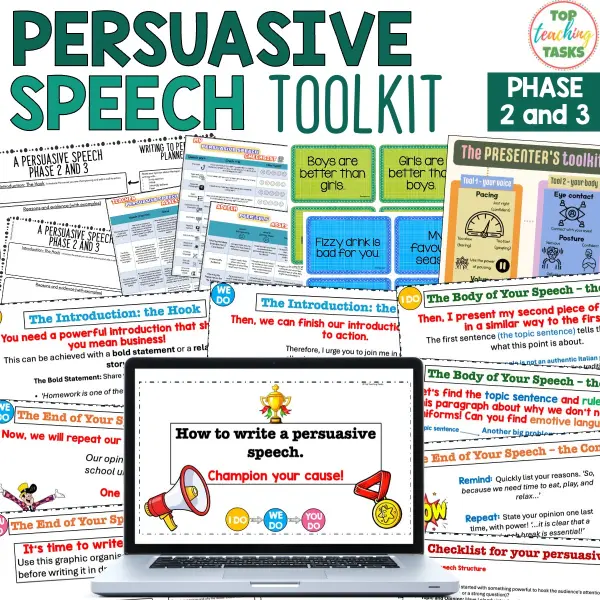
The Persuasive Speech Toolkit is a comprehensive resource that guides students through writing and delivering compelling persuasive speeches. This toolkit simplifies complex concepts, making speech writing accessible and engaging for all learners.
How It Works:
This toolkit provides a structured, explicit, step-by-step approach to teaching persuasive speech writing. It breaks down the process into manageable components, moving from foundational understanding to practical application and assessment.
Key Features
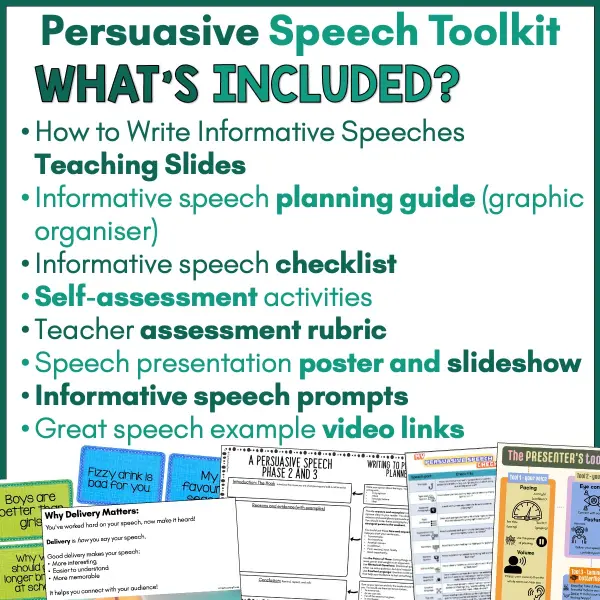
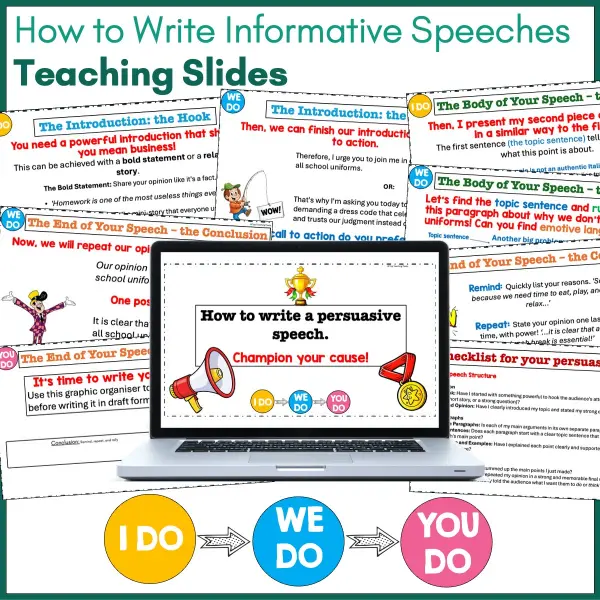
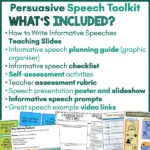
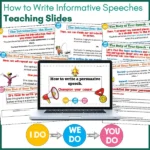
- How to Write Persuasive Speeches Teaching Slides: Clearly designed slides that walk students through the essential elements of a persuasive speech, from topic selection to structure and key language features.
- Follows the ‘I Do, We Do, You Do’ Gradual Release of Responsibility model
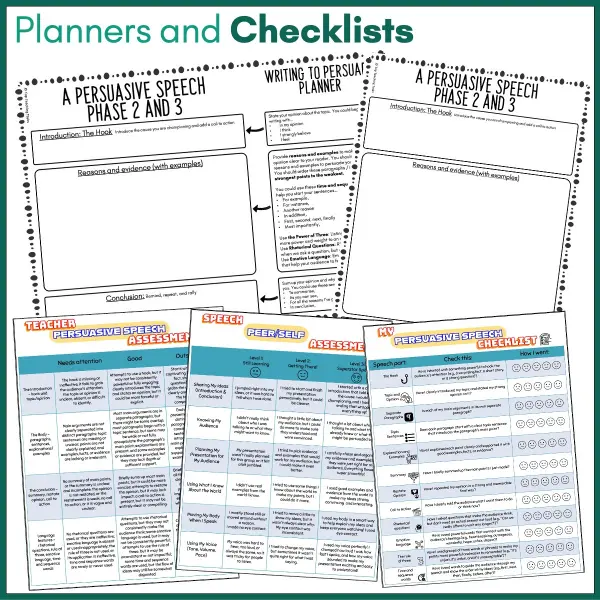
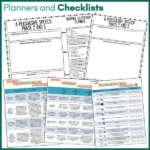
- Persuasive Speech Planning Guide (Graphic Organiser) – Two Options Included: Flexible graphic organisers that help students brainstorm, organise, and outline their speech content.
- Persuasive Speech Checklist: A practical checklist for students to ensure they’ve covered all necessary components of their speech before presentation.
- Self-Assessment Activities: Engaging activities that encourage students to critically evaluate their progress and identify areas for improvement.
- Teacher Assessment Rubric: A clear and comprehensive rubric for educators to efficiently evaluate student speeches.
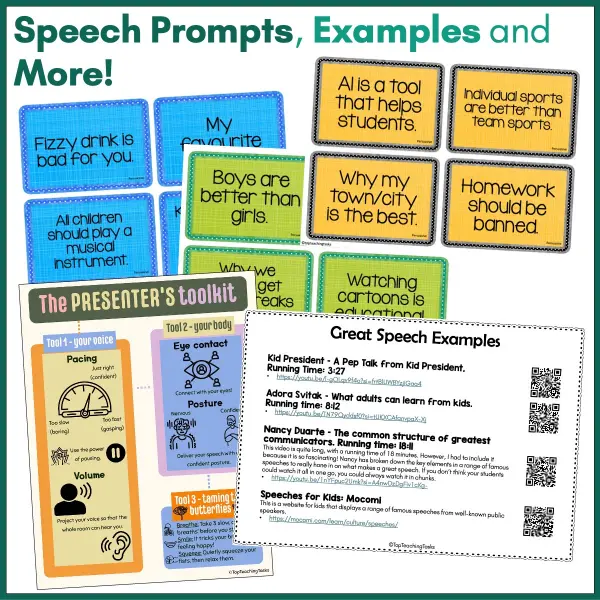
- Speech Presentation Poster and Slideshow: A visually appealing poster and slideshow, summarising key tips for effective speech delivery.
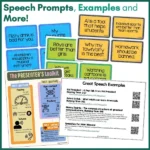
- Persuasive Speech Prompts: A diverse range of thought-provoking prompts to inspire students and help them choose relevant and engaging topics.
- Great Speech Example Video Links: Curated links to excellent informative speeches, providing students with real-world examples and inspiration.
Benefits of This Resource:
- Boosts Student Confidence: Provides a clear framework, reducing anxiety and empowering students to approach public speaking with greater assurance.
- Develops Critical Thinking Skills: Encourages students to research, organise, and synthesise information effectively.
- Enhances Communication Skills: Improves students’ ability to articulate ideas clearly, concisely, and engagingly.
- Saves Teacher Preparation Time: Offers ready-to-use materials, streamlining lesson planning and instruction.
- Supports Differentiated Instruction: The kit caters to diverse student needs with various tools like two planning guide options and self-assessment activities.
- Provides Comprehensive Assessment Tools: Includes both self-assessment and a teacher rubric, making evaluation straightforward and consistent.
Aligned with the New Zealand English Curriculum for Phase Two – Year 5 – Year 8: Oral Language: Communicating Ideas and Information – Presenting to Others
During Year 5:
- plan and organise the content and structure a talk so that the audience can make connections between points
- plan and adapt the content of a presentation for a specific audience and setting
- give supporting evidence (e.g., citing a text, a previous example, or a historic event)
During Year 6:
- anticipate and plan for audience needs and expectations, leading to more tailored and effective communication
- use direct quotes or citations to support an argument or view
During Year 7:
- use specific structural devices to shape extended presentations (e.g., debates, speeches, monologues, and podcasts)
- provide examples that the audience can relate to
- know that figurative language is a key feature of oral language in their own and others’ cultures
- know that an audience will better understand their points if they use a clear, confident tone, moderate volume, and a steady pace
- vary pace to keep the audience engaged
- identify how body-language techniques (including gesture and facial expressions) support meaning during oral presentations
During Year 8:
- use specific structural devices to shape extended presentations (e.g., debates, speeches, monologues, and podcasts)
- provide examples and analogies that are relevant to the audience’s experiences and interests
- employ figurative language that is traditionally used orally in their own and others’ cultures
- use a moderate volume to ensure clarity without overpowering others
- adapt their tone for their audience and purpose
- vary volume to emphasise key points
- identify how body-language techniques (including gesture and facial expressions) support meaning during oral presentations


THIS RESOURCE, AND OUR FULL RESOURCE RANGE IS ALSO AVAILABLE IN OUR TOP TEACHING TASKS MEMBERSHIP.
FIND OUT MORE HERE.
You may also like…
-

-
-
Sale!


Literacy Skills Grammar Punctuation Spelling Vocabulary – Year 7 and 8
Original price was: NZ$29.99.NZ$27.00Current price is: NZ$27.00. -