Junior Journal 57 Level 2 2018
Inside this Junior Journal is one story (Rātā me te Rākau), one poem (Borrower), one play (Professor Clever), and two articles (Power from the Sun; Solar Power in Tokelau).



Inside this Junior Journal is one story (Rātā me te Rākau), one poem (Borrower), one play (Professor Clever), and two articles (Power from the Sun; Solar Power in Tokelau).
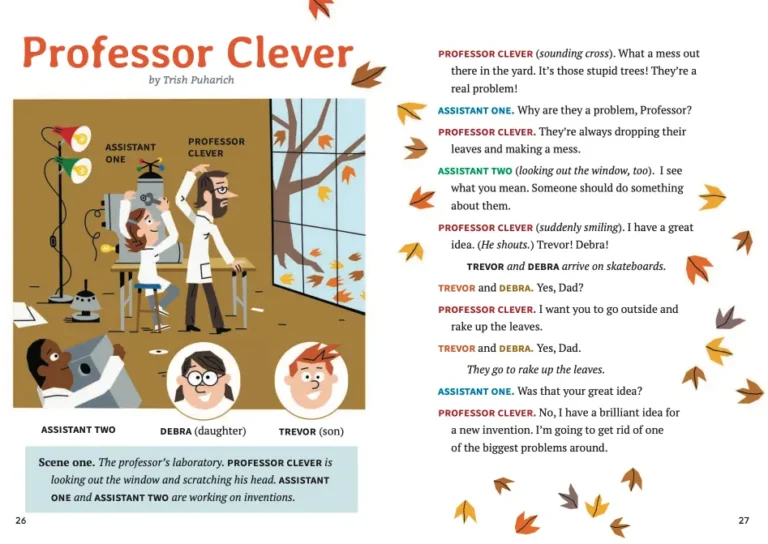
In this humorous play, Professor Clever becomes irritated with the mess that trees make when they drop their leaves, so he comes up with an invention to solve the problem. When his children discover his invention, they are shocked and present an opposite point of view.
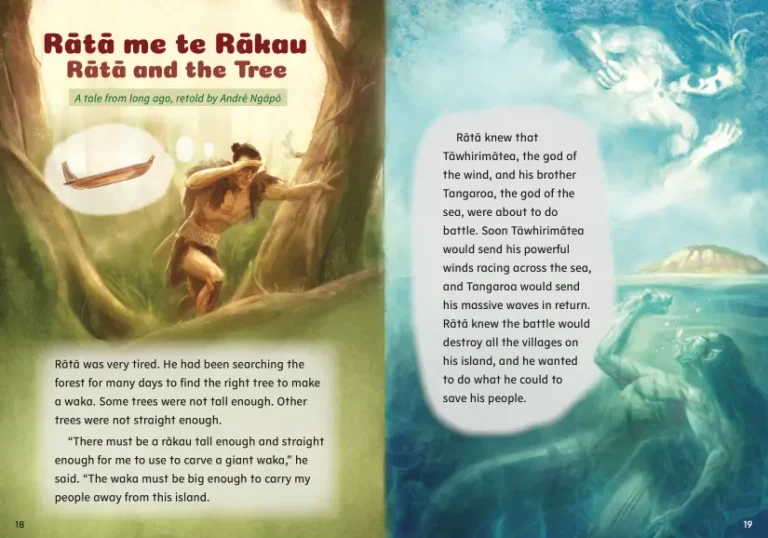
This is a retelling of the traditional Māori tale of Rātā and his quest to find a tree to make a waka. In his haste, Rātā forgets to ask permission from Tāne-mahuta, the god of the forest, and finds that each time he chops down his chosen tree, it is mysteriously restored the next day.
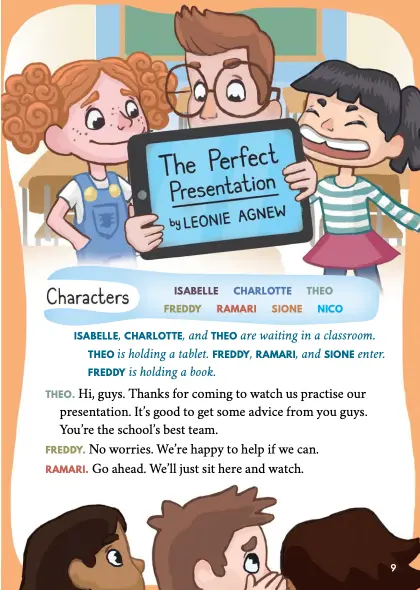
In this play, a group of students attempt to practice a presentation on the benefits of eating insects, but their reliance on rigid online advice leads to a series of comedic blunders that their more experienced peers must help them correct.
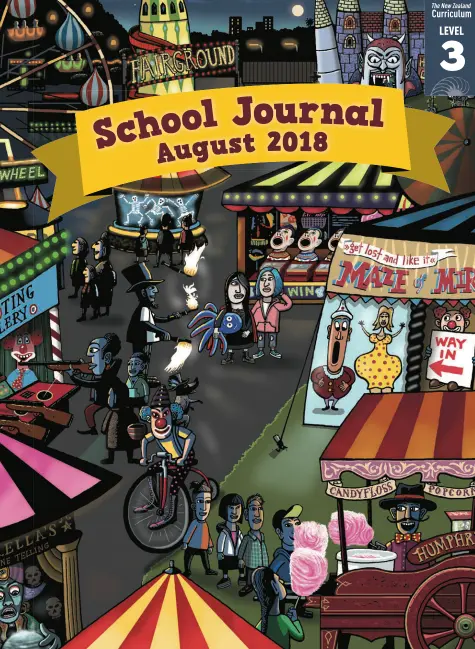
This journal contains three stories (Ancestors; Fangs the Sequel; Koro’s Song), One Poem (Acrostic poem), One Play (The Young Ecoleaders Award Play) and two articles (Finding George and Journey on the Sea).
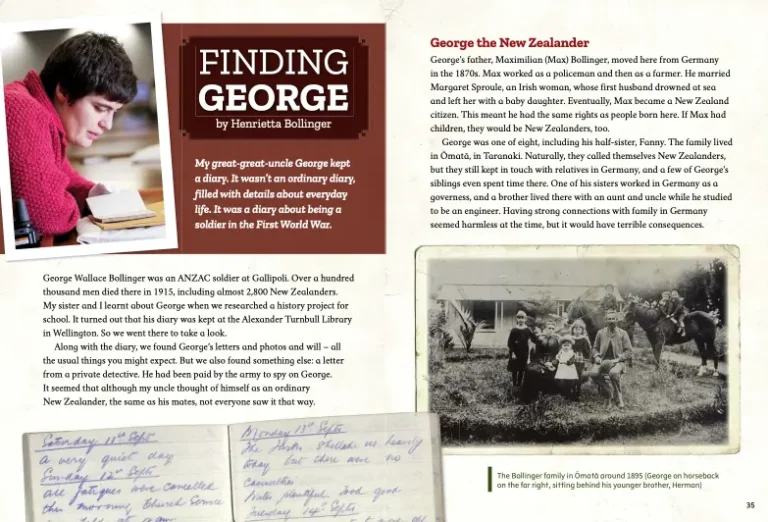
In this powerful and moving article, Henrietta Bollinger tells the story of her great-great-uncle George, a soldier in the First World War. Most students will have learnt something about the First World War, and many will know something of their own family stories. Keywords: bravery, courage, family history, family stories, fear, Gallipoli, George Bollinger, German…
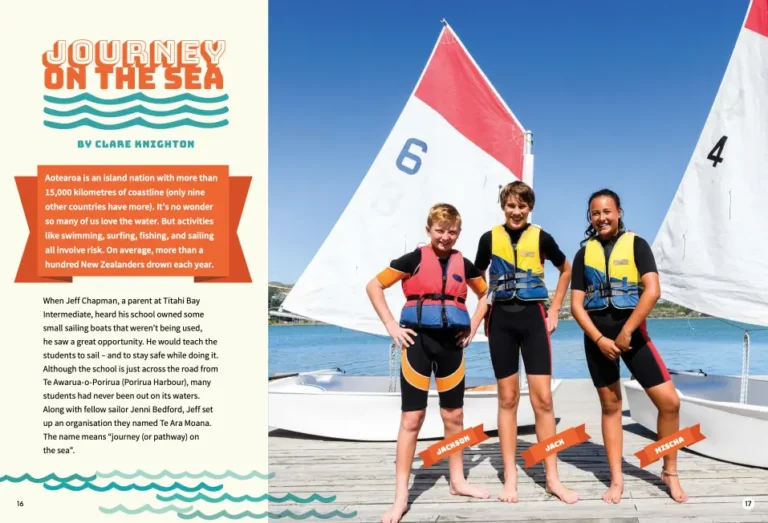
This article is about the importance of water safety in New Zealand. Aotearoa is an island nation with more than 15,000 kilometres of coastline (only nine other countries have more). It’s no wonder so many of us love the water. But activities like swimming, surfing, fishing, and sailing all involve risk. On average, more than…
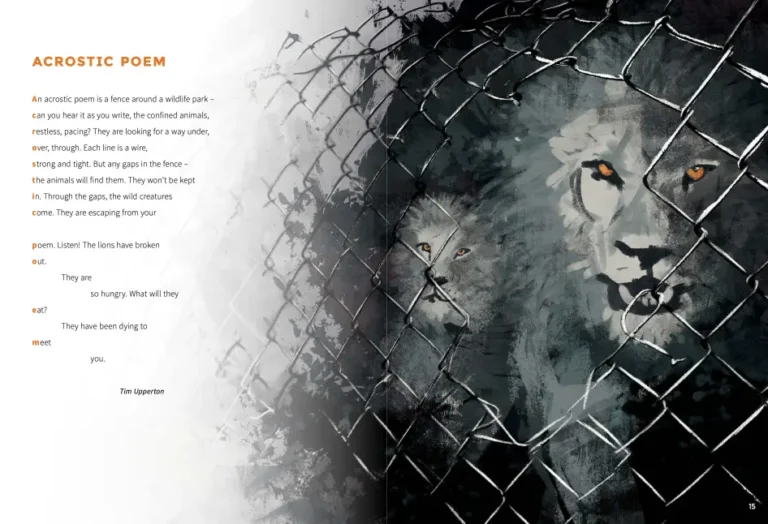
In this poem about writing poetry, Tim Upperton subverts the form of the acrostic to show what can happen when the words and ideas are let free. This is a poem that speaks to students’ experiences as readers and writers of poetry and makes it fun.
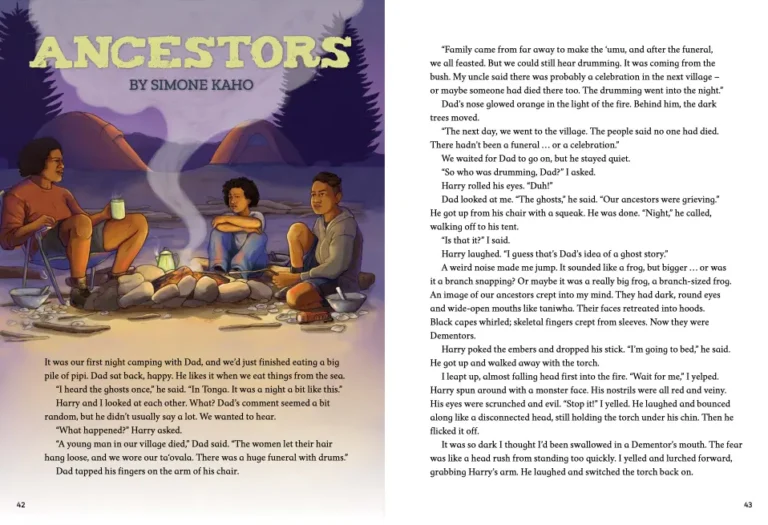
In this story, a father camping with his two children shares a chilling memory of a funeral in Tonga where persistent drumming from the empty bush led the village to believe their ancestors were joining them in their grief.
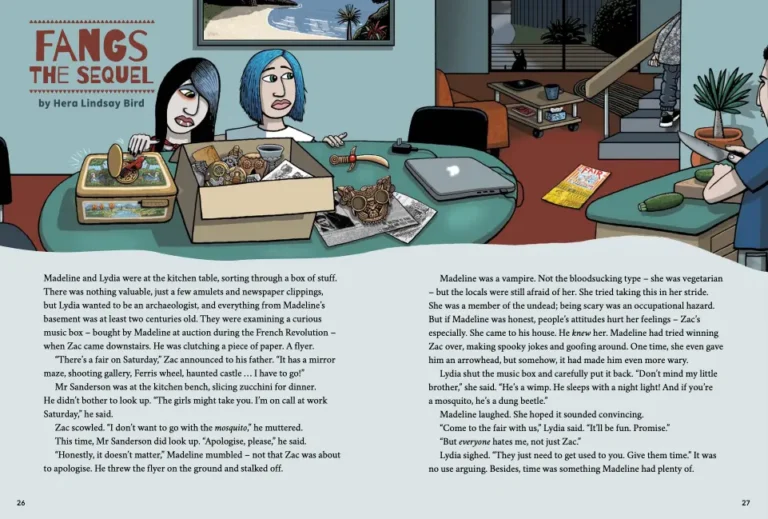
In this story, Madeline the vegetarian vampire attempts to bond with her friend Lydia’s younger brother, Zac, by taking him to a local fair. She eventually wins his respect not through supernatural powers, but by standing up to a group of bullies in the haunted castle attraction.
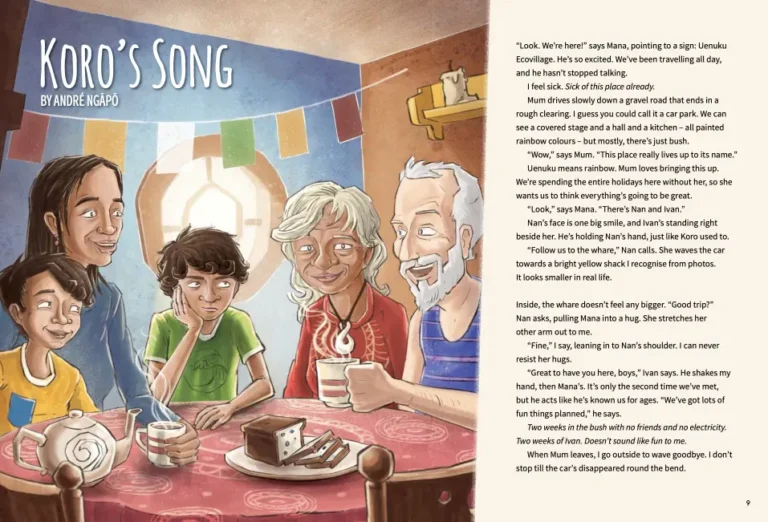
In this story, a young boy named Dom struggles with resentment and grief during a holiday visit to an ecovillage, where he eventually begins to accept his grandmother’s new partner, Ivan, and finds the courage to perform a song dedicated to his late grandfather.
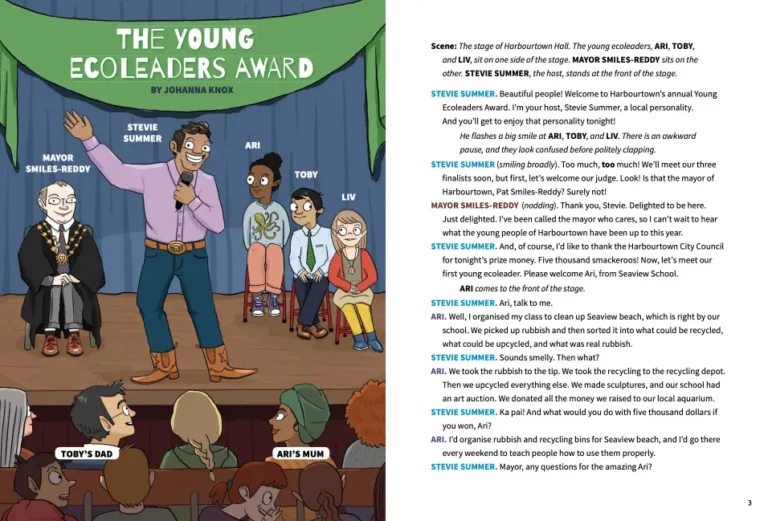
The topic of environmentalism is a familiar one to most students and one of genuine concern. This play connects with environmental concerns and the ways ordinary citizens can help address environmental issues, but it’s primarily a spoof on award ceremonies.
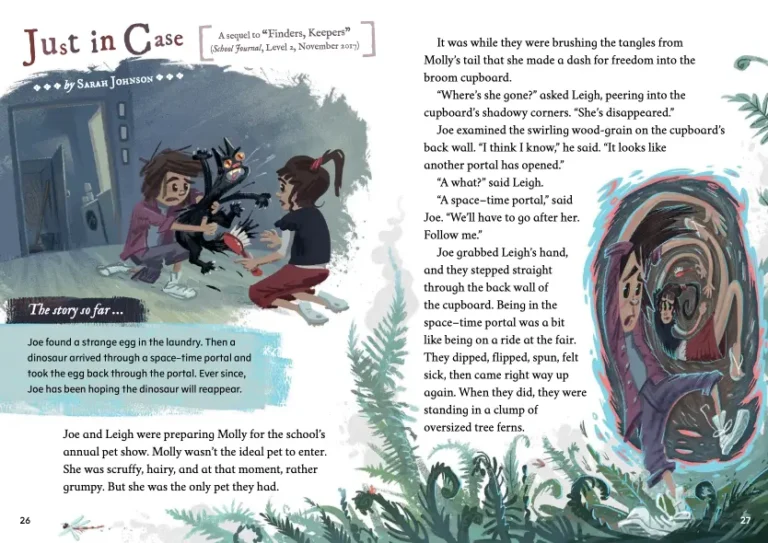
Joe and Leigh were preparing Molly for the school’s annual pet show. Molly wasn’t the ideal pet to enter. She was scruffy, hairy, and at that moment, rather grumpy. But she was the only pet they had.
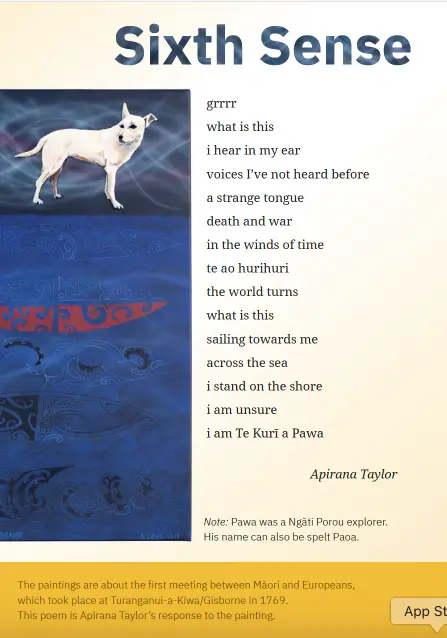
This thought-provoking poem by Apirana Taylor is a response to an artwork of the same name by Steve Gibbs. The poem and artwork are about the arrival of the Endeavour in 1769 and the enormous change that was about to take place for Māori communities.
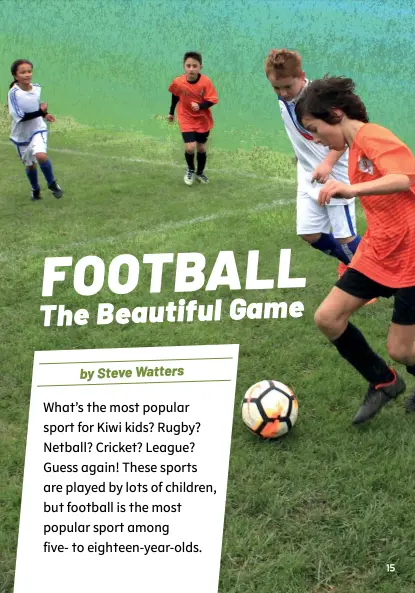
This article explores why football is so popular and gives a brief outline of its history, including how and when it was introduced to Aotearoa New Zealand. What’s the most popular sport for Kiwi kids? Rugby? Netball? Cricket? League? Guess again! These sports are played by lots of children, but football is the most popular…
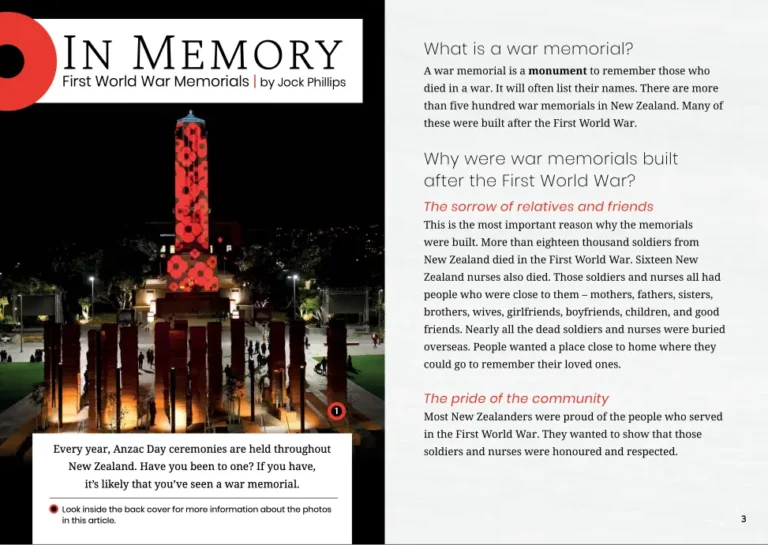
This article explains the purpose of war memorials and, in particular, memorials created at the end of the First World War. It provides examples of different types of memorials, from obelisks, statues, arches, and gates to monuments that use features in the natural environment.
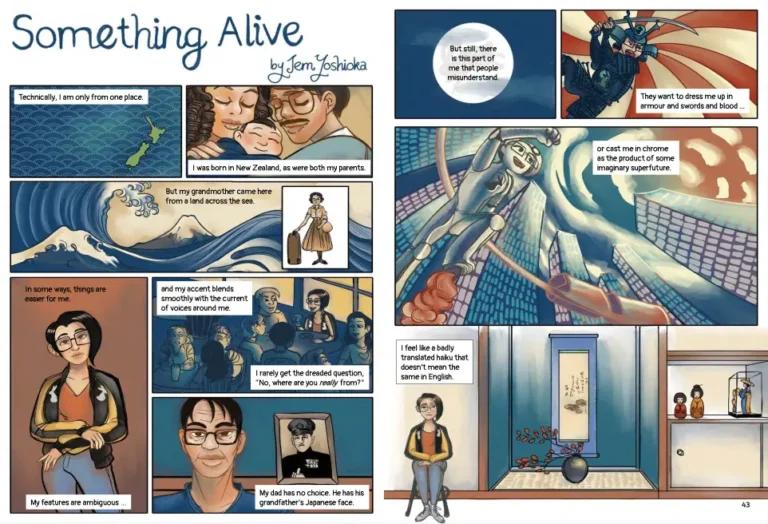
Query successful In the graphic comic “Something Alive” by Jem Yoshioka, a young New Zealand-born woman of Japanese descent explores the complexities of her mixed heritage. She describes the disconnect between her ambiguous features and her deep-rooted lineage , eventually finding a sense of belonging through her grandmother’s stories and the realization that heritage is…
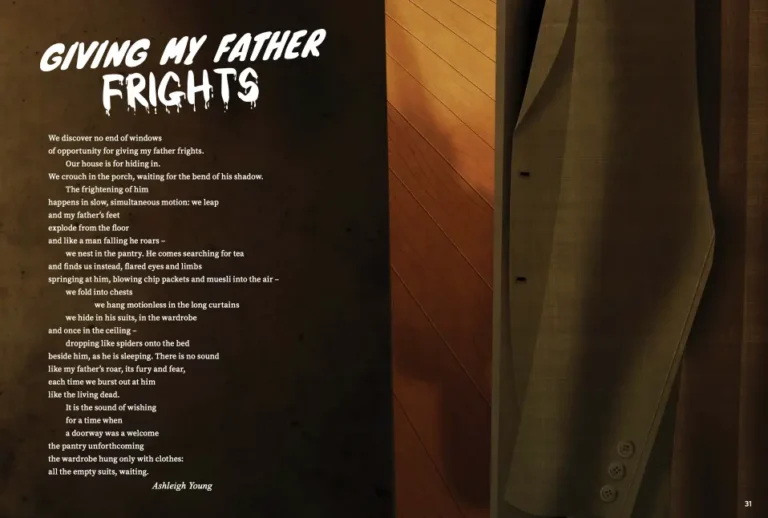
In this poem, the narrator describes a mischievous childhood game of hiding in various spots around the house to jump out and startle their father, concluding that while he always reacts with a dramatic fright, he secretly enjoys the playful interaction.
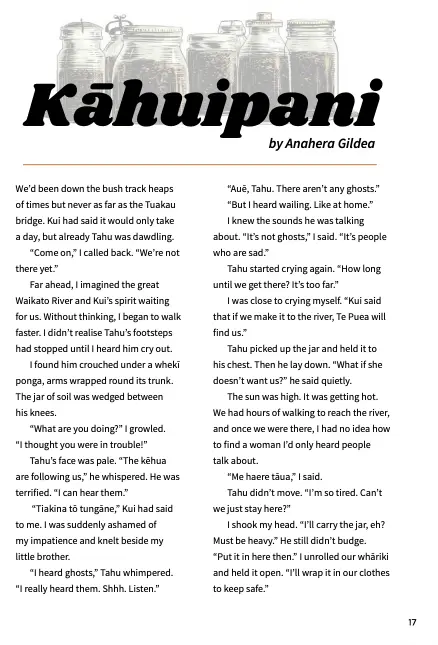
Based on a true story. Kāhuipani details the journey of two children to the Tuakau bridge to find Te Puea. A young woman who cared for more than 100 orphans during the influenza epidemic of 1918.
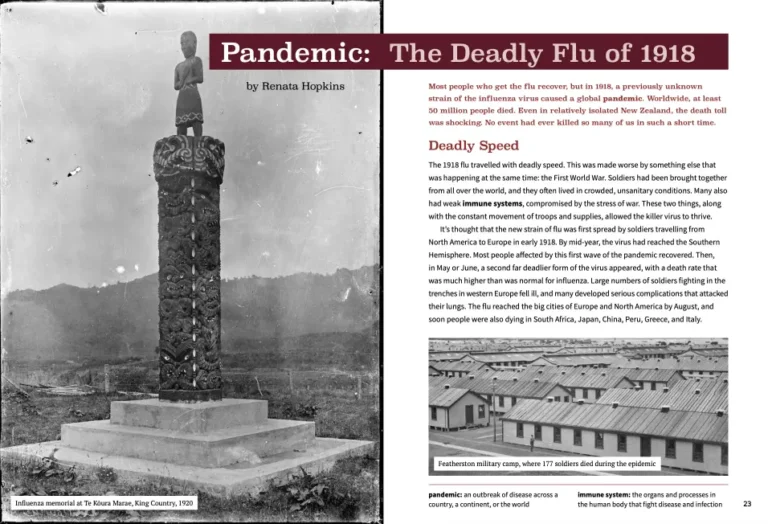
Most students are aware of New Zealand’s participation in the First World War, but few will know of the flu pandemic that swept across the world in its aftermath. In New Zealand, the epidemic took over nine thousand lives in under two months – an appalling number, especially if compared with the eighteen thousand soldiers…
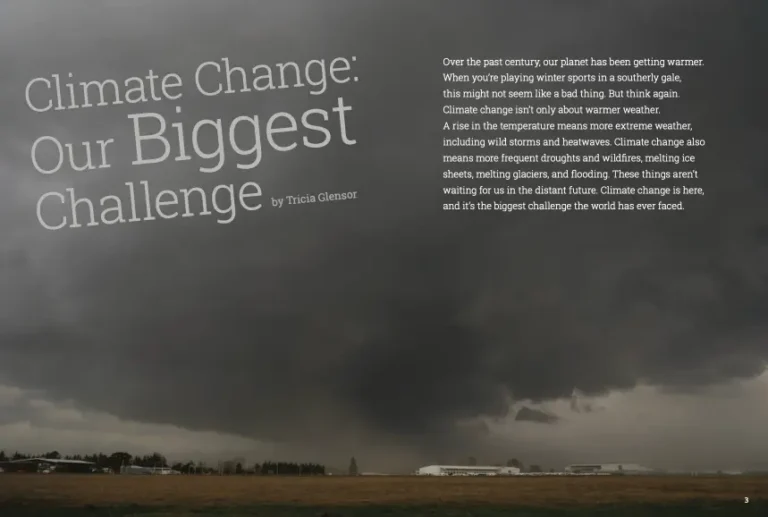
This article is about climate change. Climate change isn’t only about warmer weather. A rise in the temperature means more extreme weather, including wild storms and heatwaves. Keywords: carbon dioxide, challenges, change, climate, climate change, climate-change refugees, eco-systems, emissions, environment, erosion, extreme weather, Generation Zero, greenhouse effect, greenhouse gases, Jan Wright, Kiribati, methane, Parliamentary Commissioner…
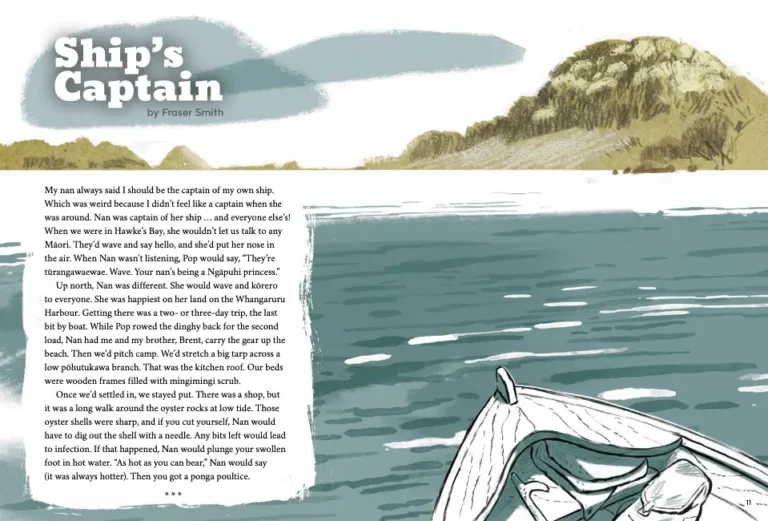
Ship’s Captain is the story of two boys learning how to live off the land and sea. Nan is a larger-than-life character, steeped in knowledge of bush lore and rongoā (Māori medicine).
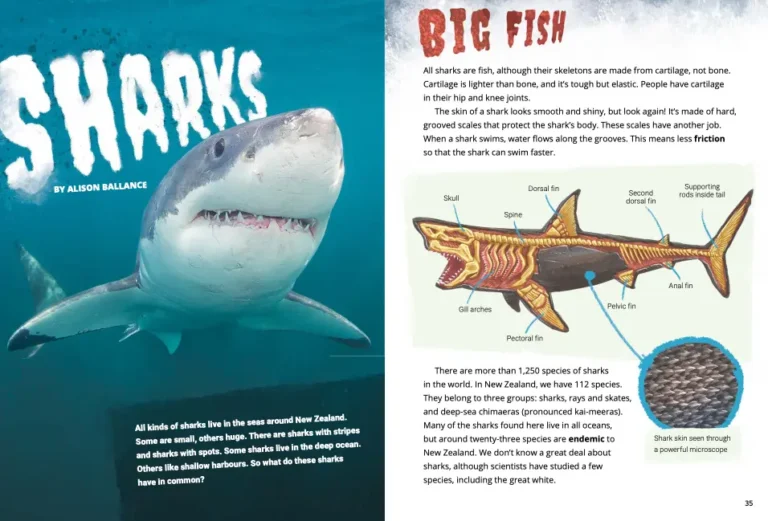
This article provides information on sharks, focusing particularly on sharks found in New Zealand waters such as great white, rig, and deep-sea sharks.
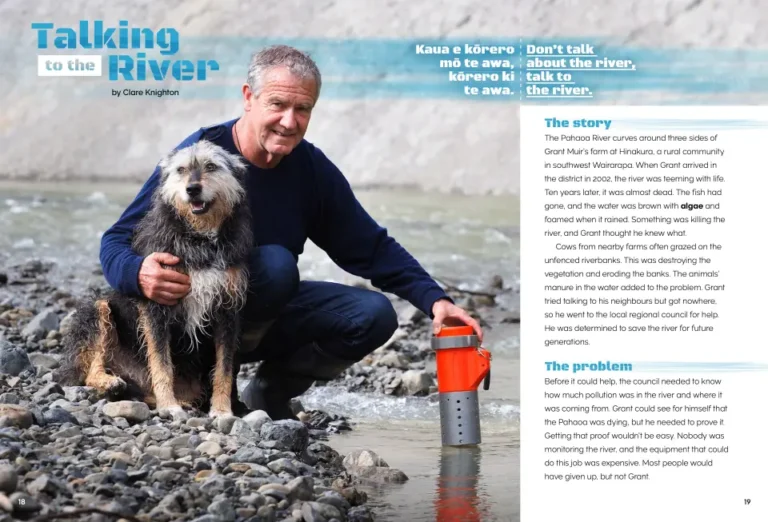
Talking to the River tells the story of a farmer and a group of engineering and computing students from Victoria University of Wellington who collaborate to gather data about river pollution and publicise it. River pollution is a topical issue, and “Talking to the River” provides an example of people dedicated to making a difference.
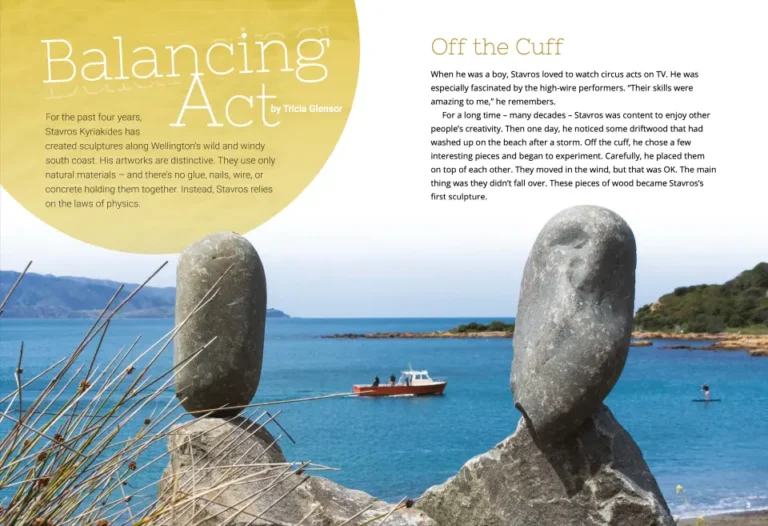
For the past four years, Stavros Kyriakides has created sculptures along Wellington’s wild and windy south coast. His artworks are distinctive. They use only natural materials – and there’s no glue, nails, wire, or concrete holding them together. Instead, Stavros relies on the laws of physics.
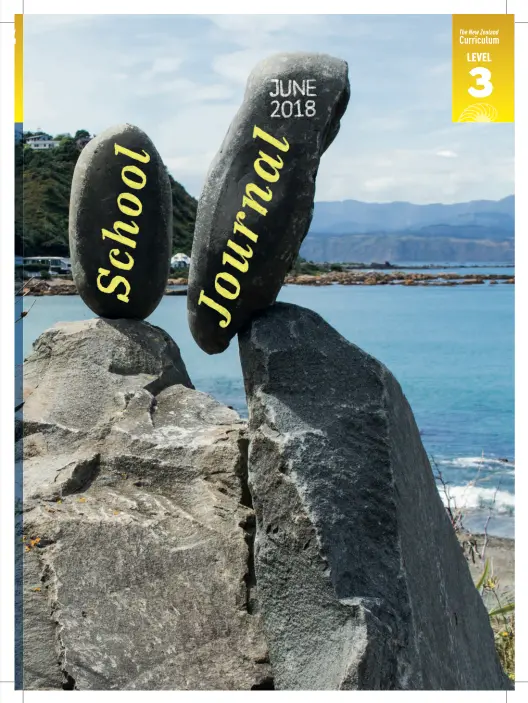
Inside this School Journal are three stories (The Force; Plenty of Room; Ship’s Captain), one poem (River Swimming), and three articles (Balancing Act; Sharks; Talking to the River).
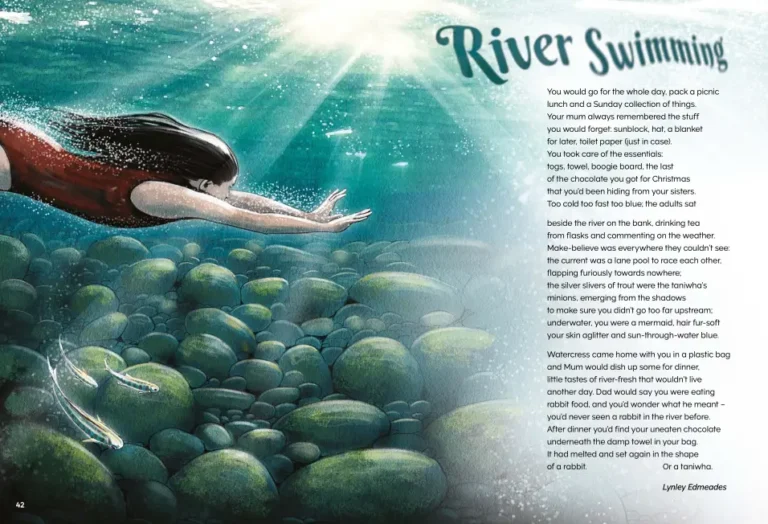
“River Swimming” is a beautiful poem that captures the imaginative, make-believe world that children inhabit.
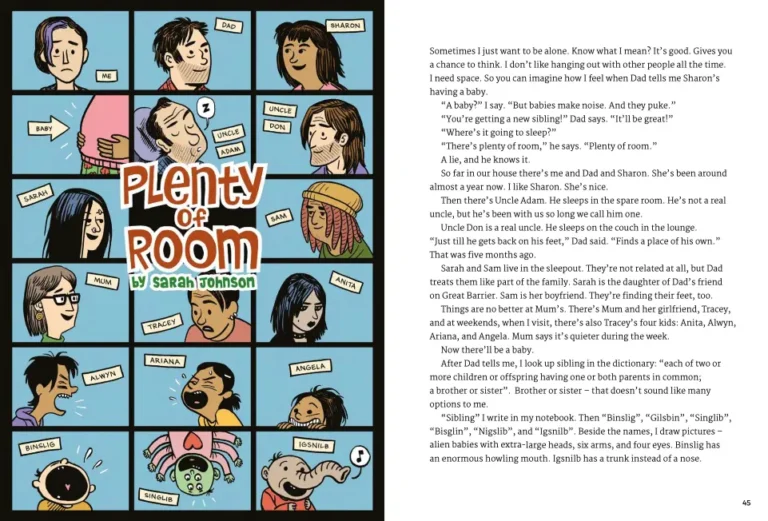
The story of a girl adjusting to life with a new sibling. Sometimes I just want to be alone. Know what I mean?
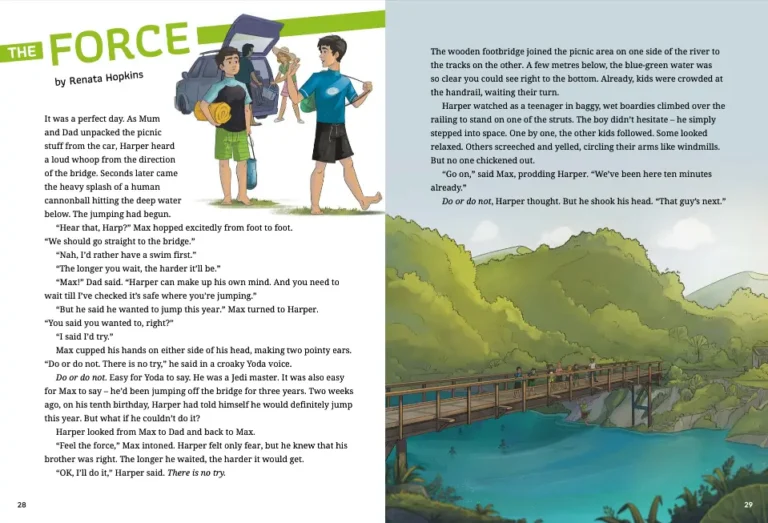
Egged on by his brother, Harper works through his fears of jumping off the bridge into the water. “Do or do not. There is no try.”
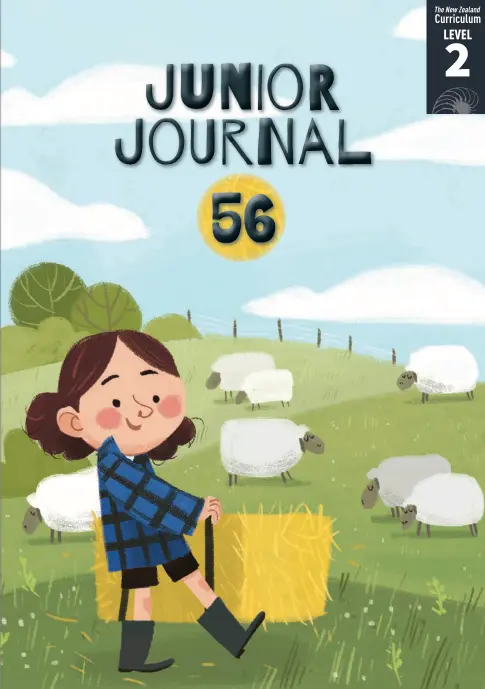
Inside this Junior Journal are two stories (Rumpelstiltskin; Chang-O and the Moon) one poem (Naming the Goblin Baby) and an article (Pen Pals).
©Top Teaching Tasks – ©NZ MOE – ©The Crown | Copyright Info
 Top Teaching Tasks