Six Photos – School Journal Level 3 August 2016
This is an article that gives readers a “peek into history”. It makes a link between what we know about taking photos and what we can find out from photos that show different times and places.

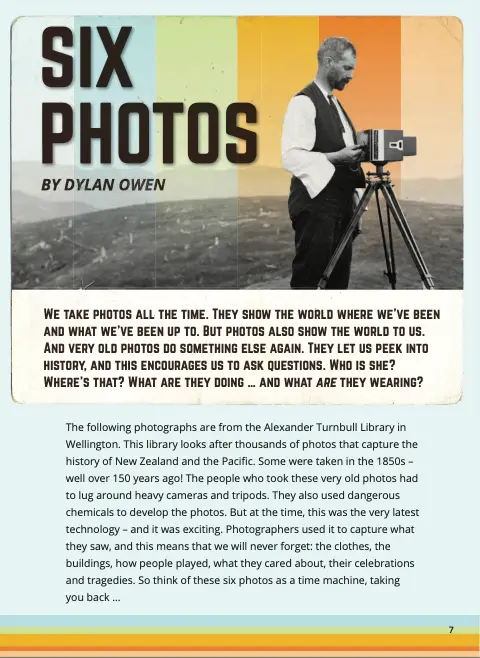
This is an article that gives readers a “peek into history”. It makes a link between what we know about taking photos and what we can find out from photos that show different times and places.
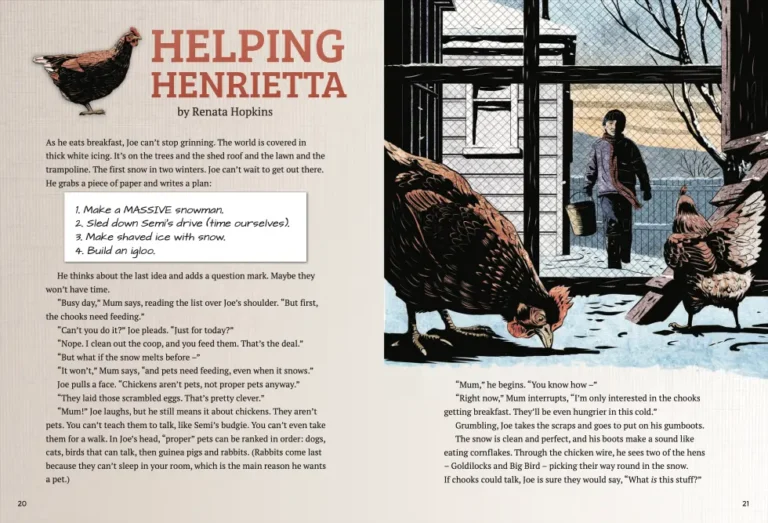
This story is about a young boy named Joe who starts a snowy day with a list of fun activities but must first fulfill his responsibility of feeding the family chickens. .
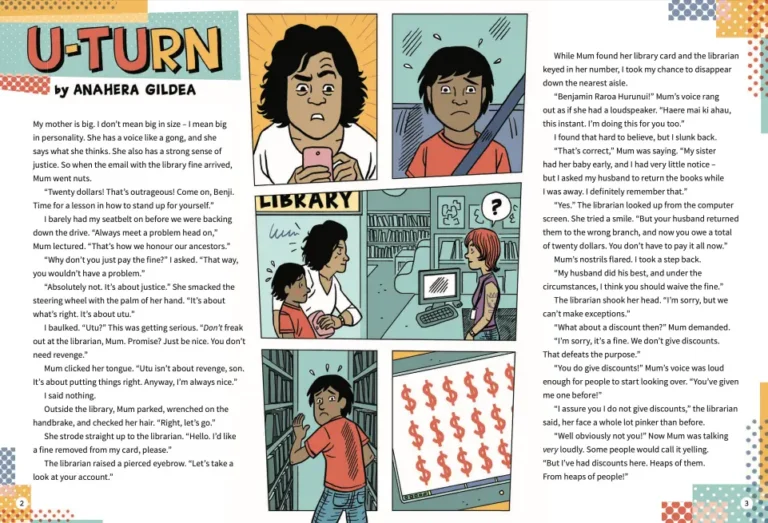
This is a story about a young boy named Benji whose mother, a woman with a powerful personality and a strong sense of justice, goes to the library to contest a twenty-dollar fine .
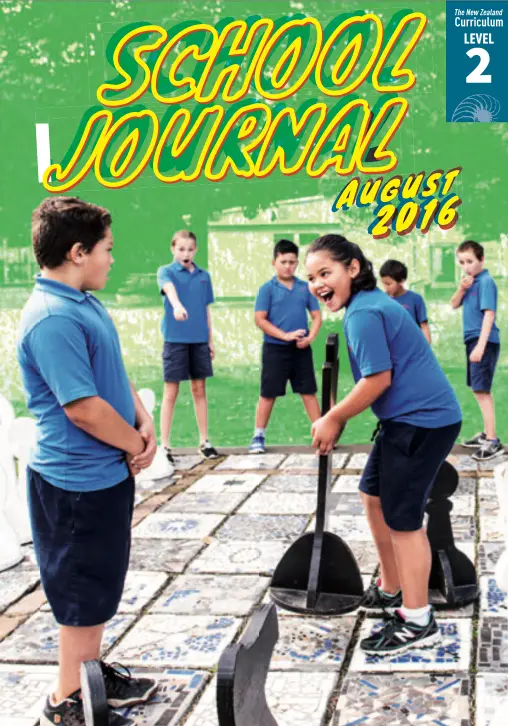
Inside this School Journal are two articles (Seals; The Chess Champions of Nūhaka), one story (Queen of the Board), one play (Good as Gold), and one poem (Becoming Toroa).
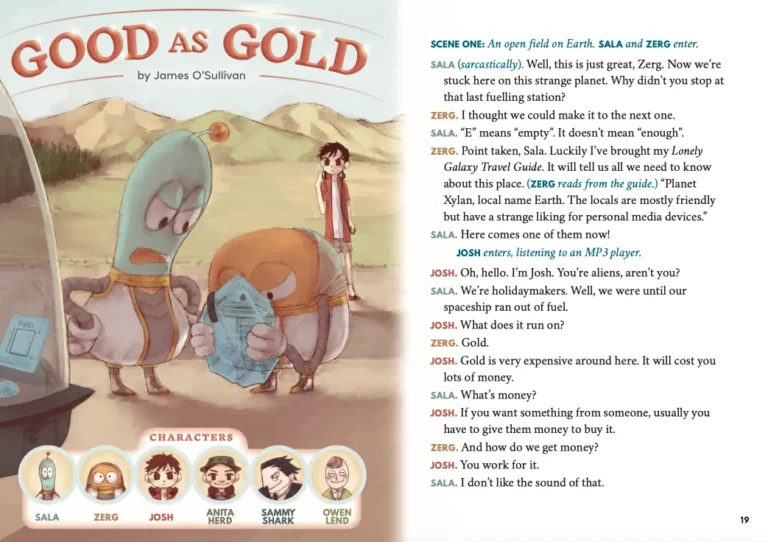
This play combines sci-fi (science fiction) with humour and provides students with an opportunity to read, enjoy, and perform. A number of abstract financial capability concepts are embedded in the story.
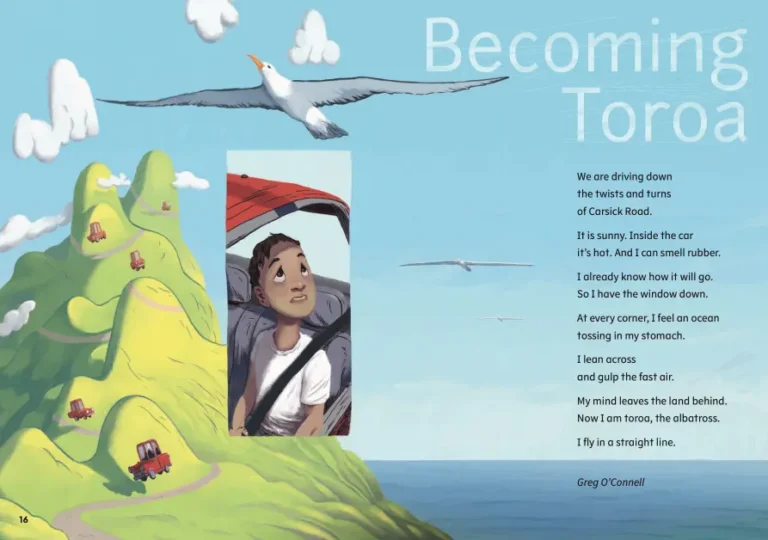
A poem about car travel. The writer deals with carsickness by opening the window and breathing in the air while traveling down a winding road. To escape the physical discomfort, they visualise themselves as a toroa flying in a straight line.
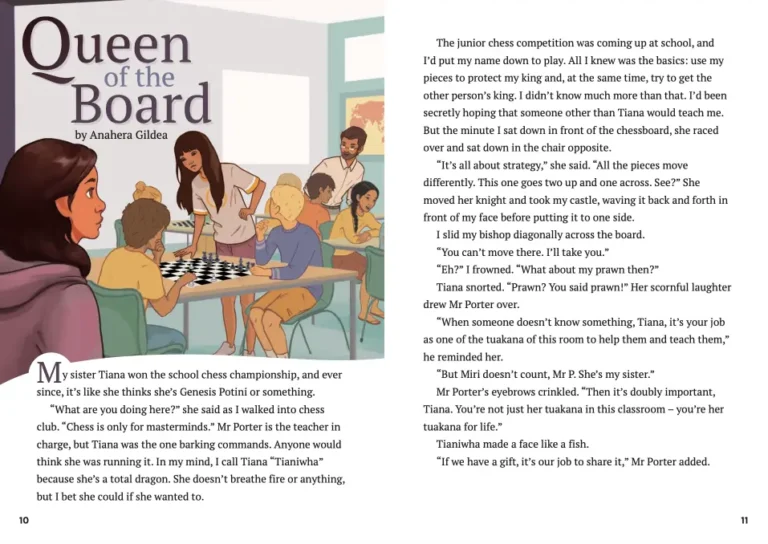
This is a story about two sisters, Miri and Tiana, who navigate their different approaches to learning and playing chess under the guidance of their teacher, Mr Porter. While the sisters initially clash over Tiana’s bossy attitude and Miri’s use of imagination, they eventually find common ground.
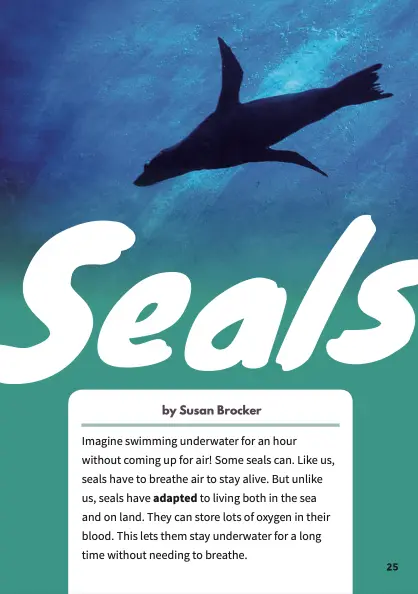
This article presents information about seals in an engaging way. Students can find out about the ways seals are adapted for living on land and sea, the various species found around New Zealand, and how they raise their pups.
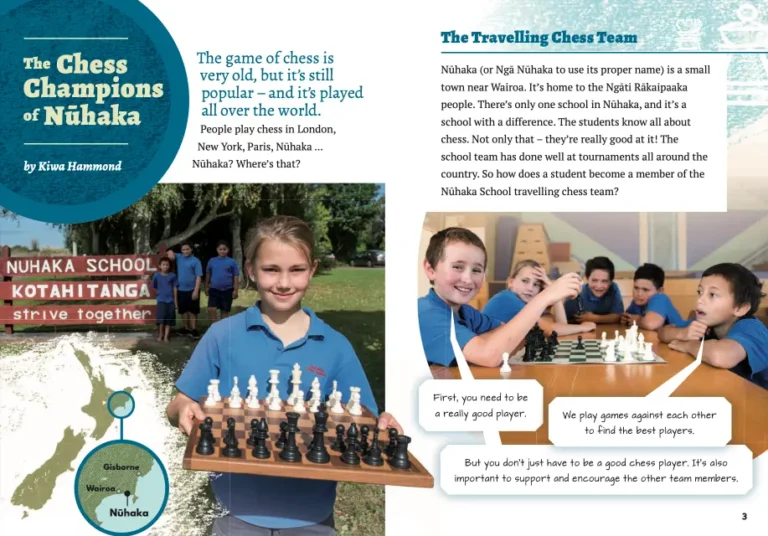
Nūhaka School took out the title of “Most Successful School” in the Hawke’s Bay junior chess championship last year. The interest in chess at the school was sparked by a workshop given by Genesis Potini (subject of the New Zealand film The Dark Horse) several years ago.
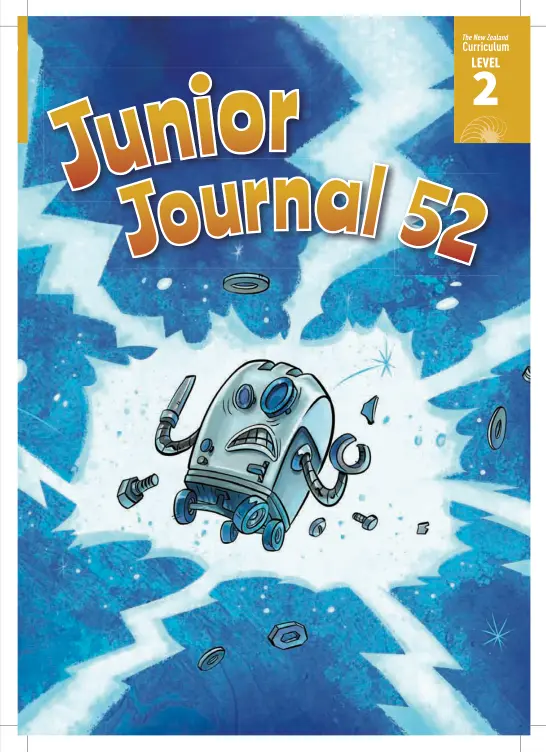
Inside this Junior Journal are two stories (The Green Team; Zapped!), one poem (Māra), and two articles (Dig In!; The Jungle in my Garden).
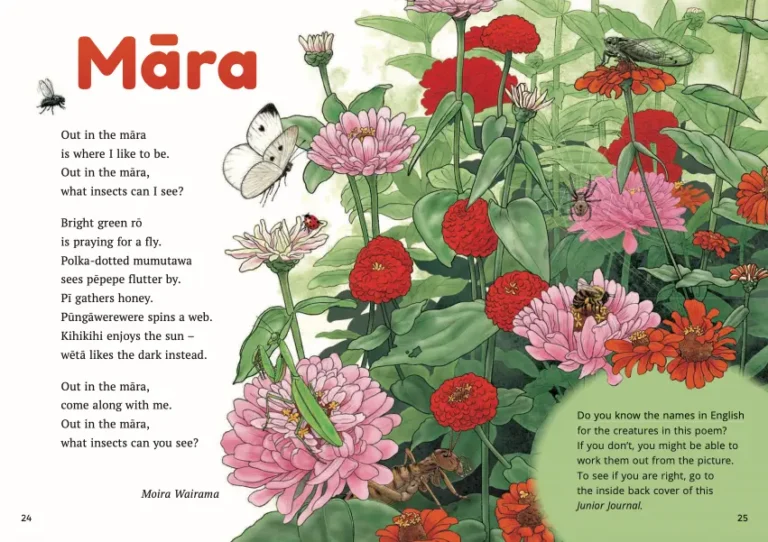
A poem about gardens and gardening. “Out in the māra is where I like to be. Out in the māra, what insects can I see?”
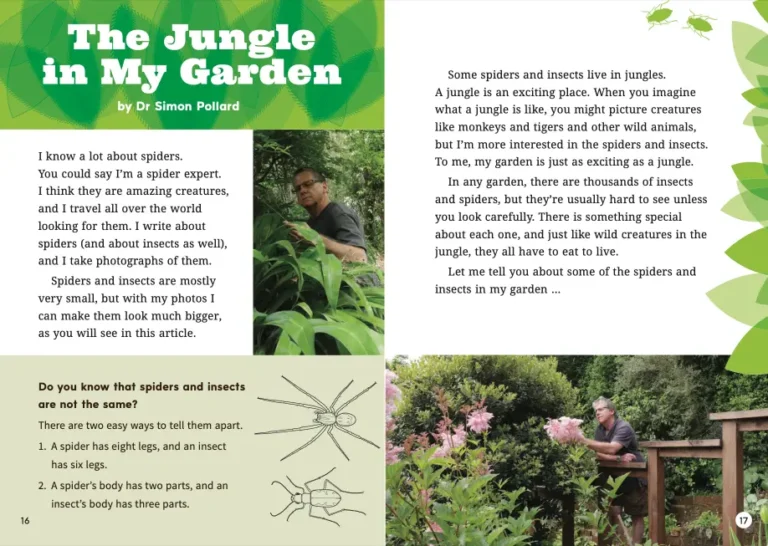
This report describes some common spiders and insects found in New Zealand gardens. The author, an expert on spiders, considers the spiders and insects in his garden to be as exciting as wild animals in a jungle.
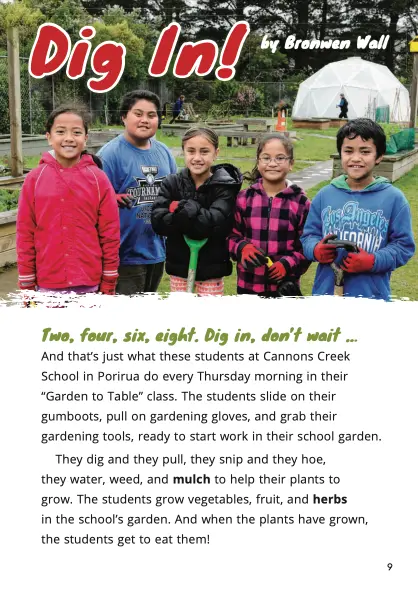
This report describes the Garden to Table programme and how it operates at Cannons Creek School. The programme involves teachers and community volunteers and helps students learn how to grow and cook their own fruit, vegetables, and herbs.
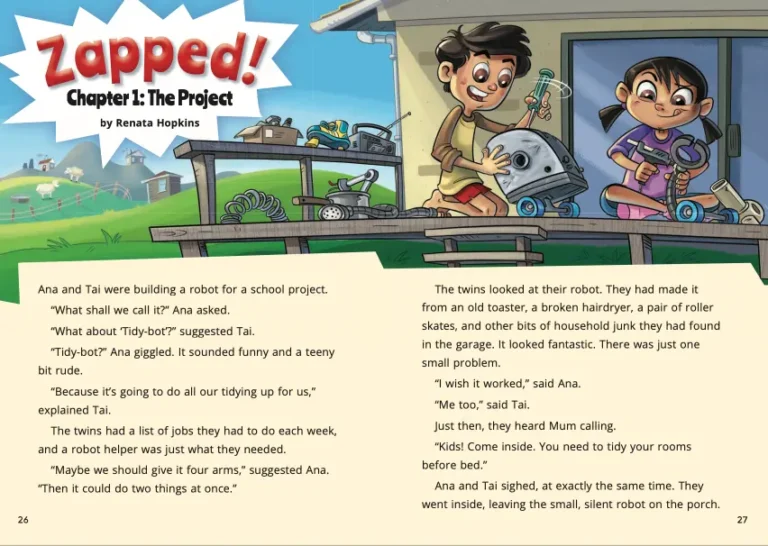
This is the first chapter of a humorous science-fiction story designed to “hook” year 3 students into reading chapter books by themselves. In this chapter, twins Ana and Tai build a robot for a school project. Overnight, the robot gets “zapped” by lightning and comes to life, creating all kinds of problems! The chapter ends…
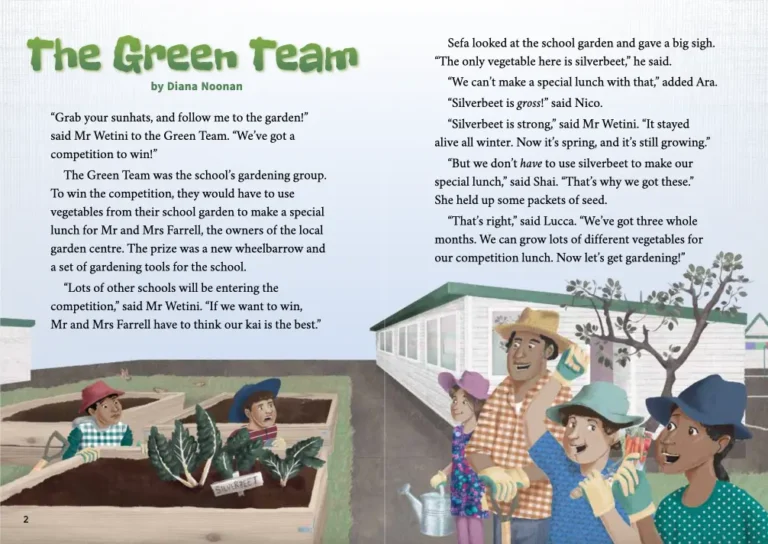
The Green Team enter a competition that involves growing vegetables and using them to cook a meal, but the weather turns out to be a big problem.
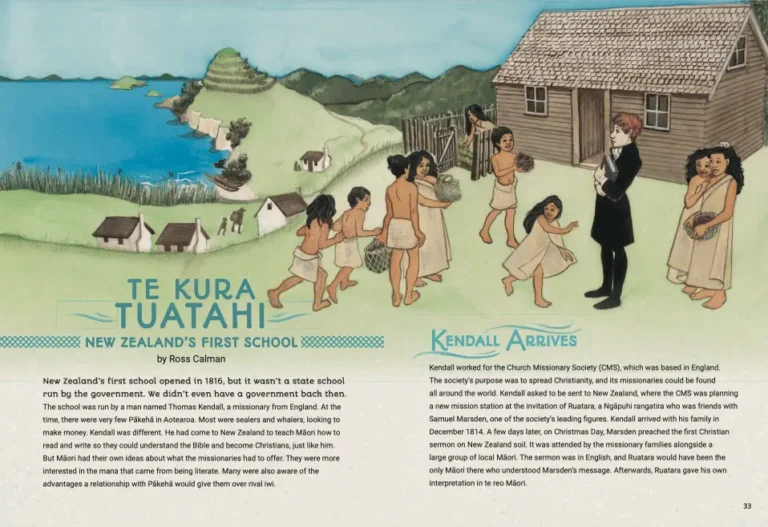
This article is about the opening of New Zealand’s first school in 1816 by missionary Thomas Kendall, who aimed to teach Māori to read and write the Bible. While Kendall sought to spread Christianity, Māori were primarily interested in the school to gain the mana associated with literacy and to secure strategic advantages through relationships…
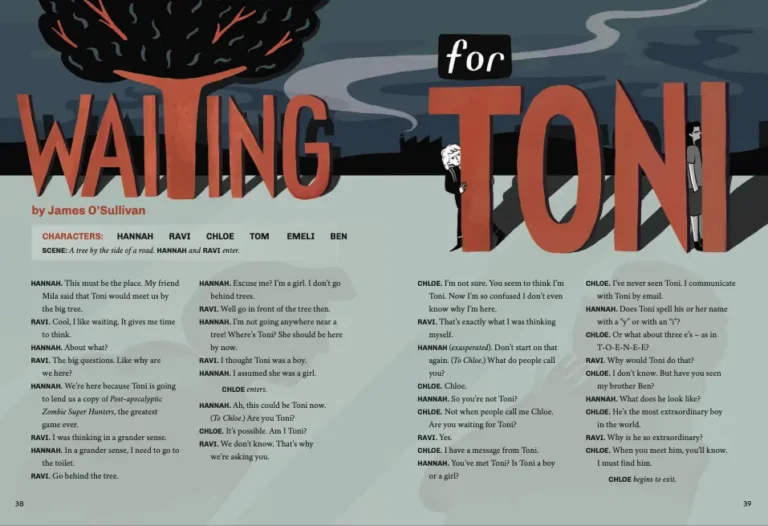
This play is a parody of Waiting for Godot, the classic play by Samuel Beckett in which, famously, nothing happens. In addition to being performed by a group of students, all plays are literacy texts and can be used to explore ideas, language, and dialogue.
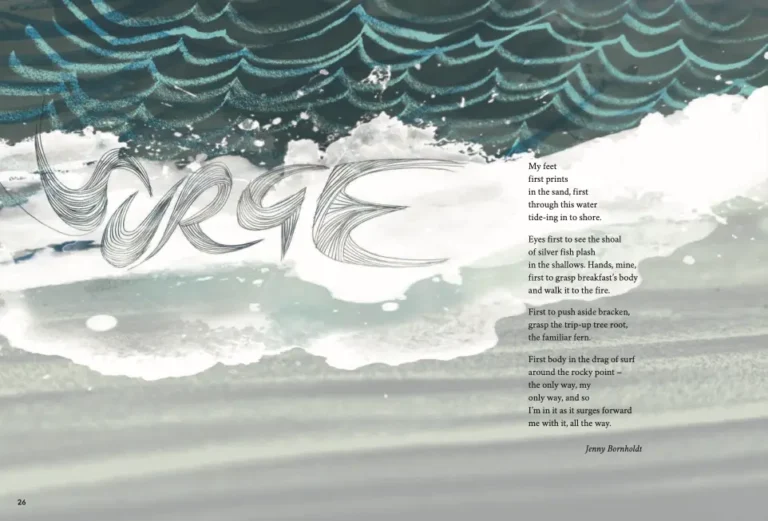
This poem is about the sensory experience of a person moving through a coastal landscape, describing the act of leaving footprints in the sand, catching fish in the shallows for breakfast, and finally being swept forward by a surging wave around a rocky point.
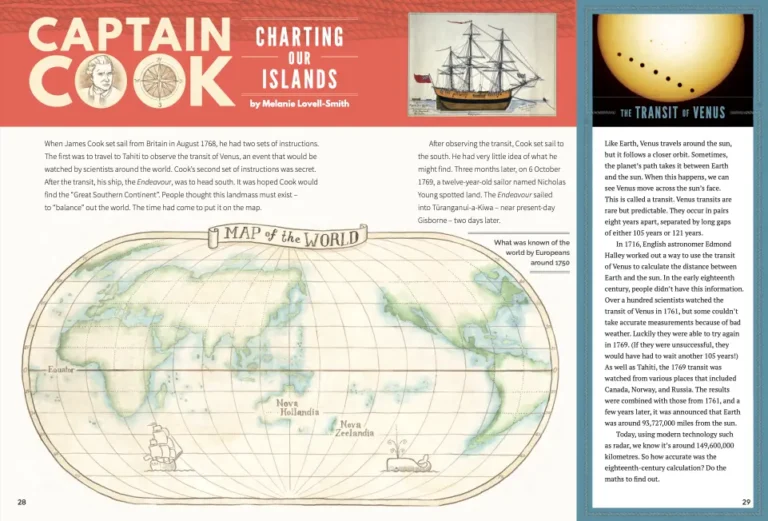
This article describes Captain Cook’s first visit to New Zealand where he charted the coastline. It focuses on Cook’s abilities as a skilled maker of charts and maps rather than as a great explorer. It also examines the maths involved in Cook’s chart making (a perfect, real-life example of maths in everyday life).
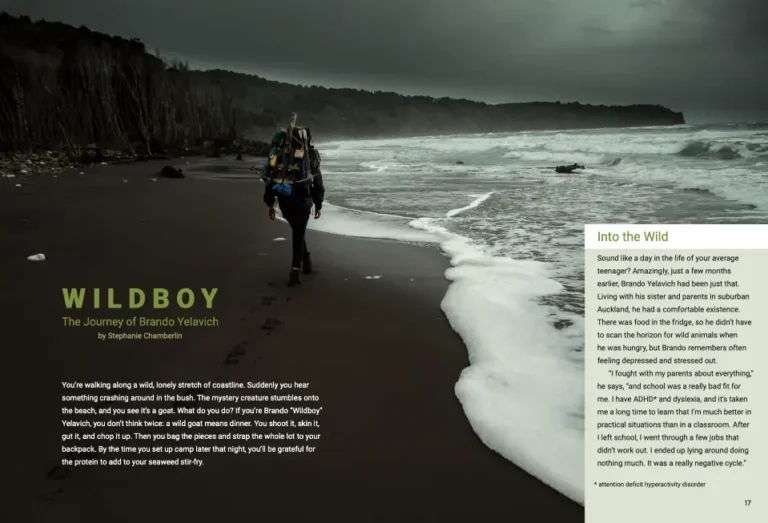
This story is about Brando Yelavich, a young man who overcomes personal struggles and a “negative cycle” of unemployment by embarking on a solo, 8,000-kilometre survival journey around the entire coastline of New Zealand.
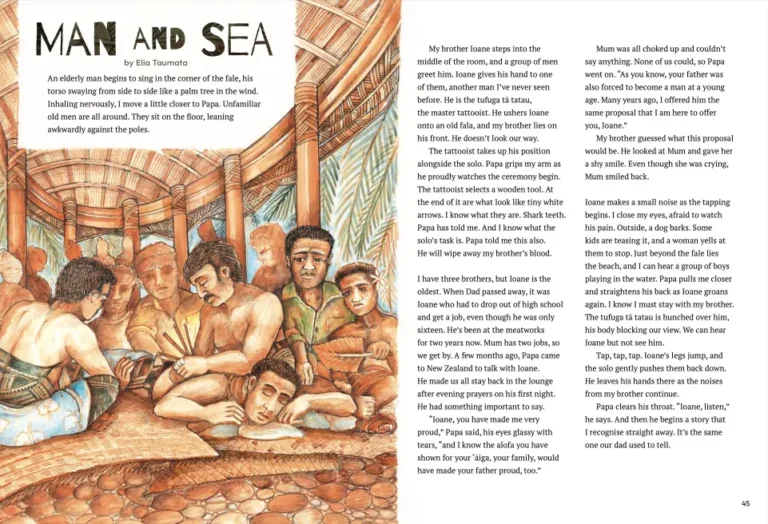
This story is about a young man named Ioane who undergoes the traditional Samoan tattooing ceremony, the tatau, to honor his family and heritage. Following the death of his father, Ioane left school to support his family, and receiving the tatau marks his transition into adulthood and his commitment to his culture and responsibilities.
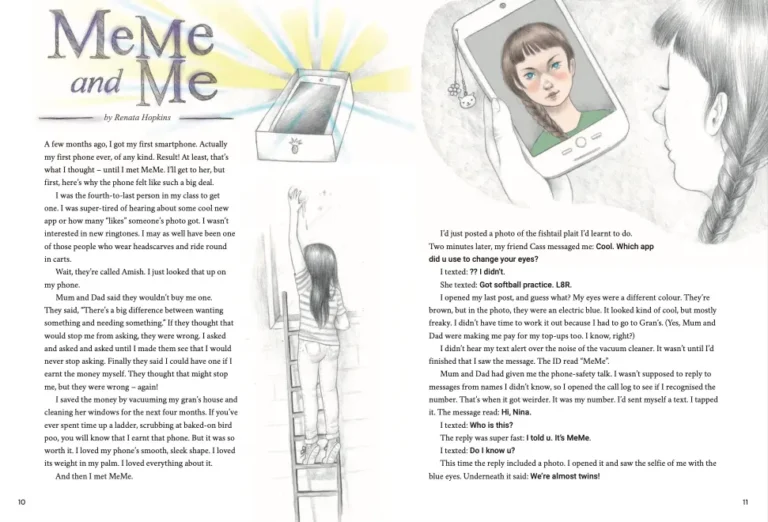
This story is about a girl named Tui whose life is turned upside down when her mother buys MeMe, a high-tech robot designed to look exactly like Tui and take over her daily chores and responsibilities.
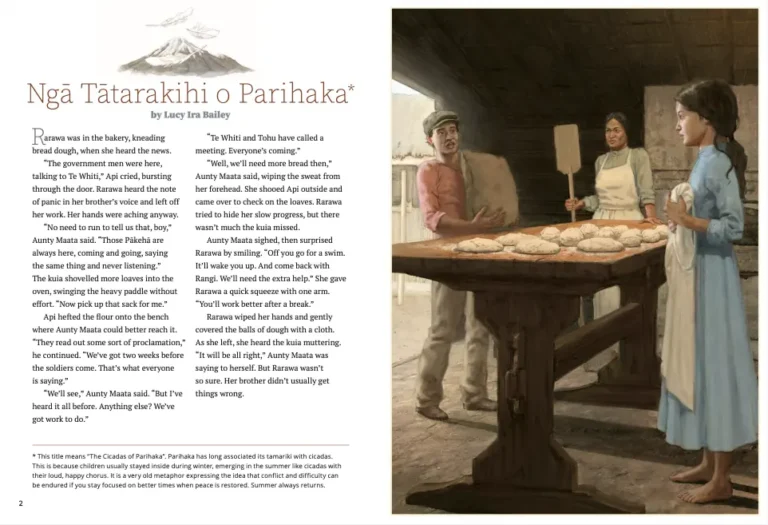
This story, set at Parihaka just prior to the government raid in 1881, is told from the perspective of a young girl who was living there. The author’s great-grandmother was living at Parihaka at that time, and the story is partially based on oral history.
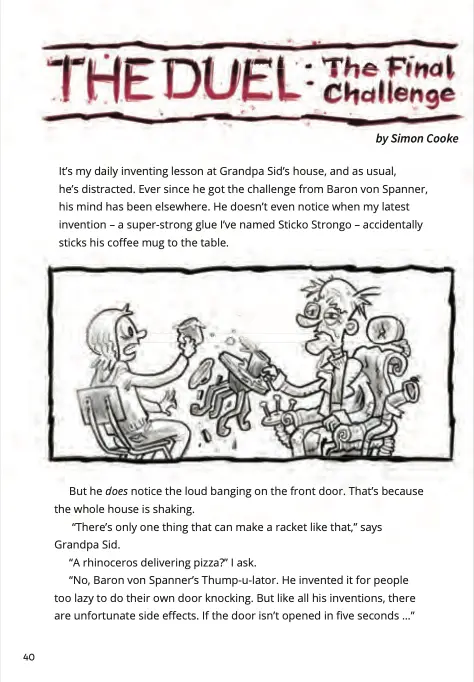
Emma is an apprentice inventor learning from her grandfather, Sid, when his long-time nemesis, Baron von Spanner, arrives to issue a final, high-stakes duelling challenge. This is a follow-up to The Duel: The Inventors Awaken from School Journal Level 3 May 2016. .
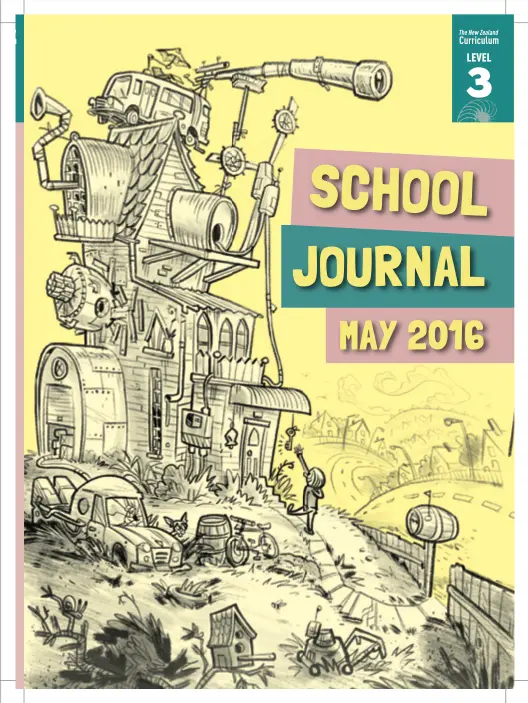
Inside this School Journal are two articles (The Past Beneath Our Feet; Seed Savers) and four stories (Six; Māui; The Duel – The Inventors Awaken; The Healers’ Apprentice).
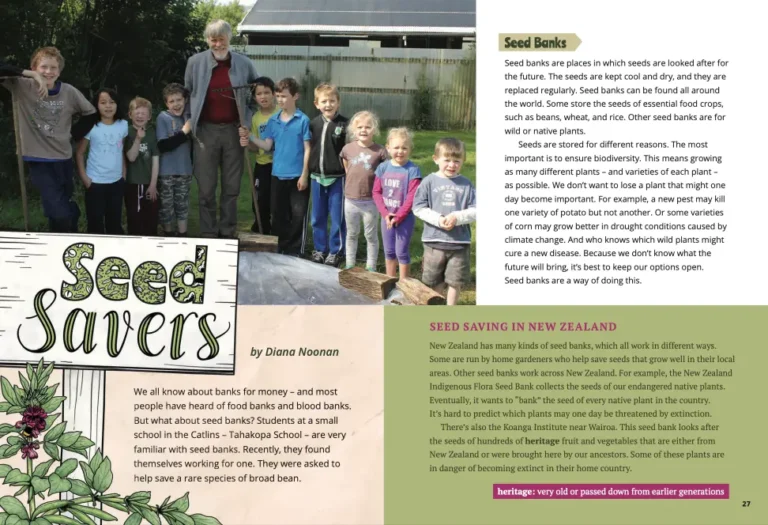
This article answers these two questions: What is a seed bank? And what is a seed saver?
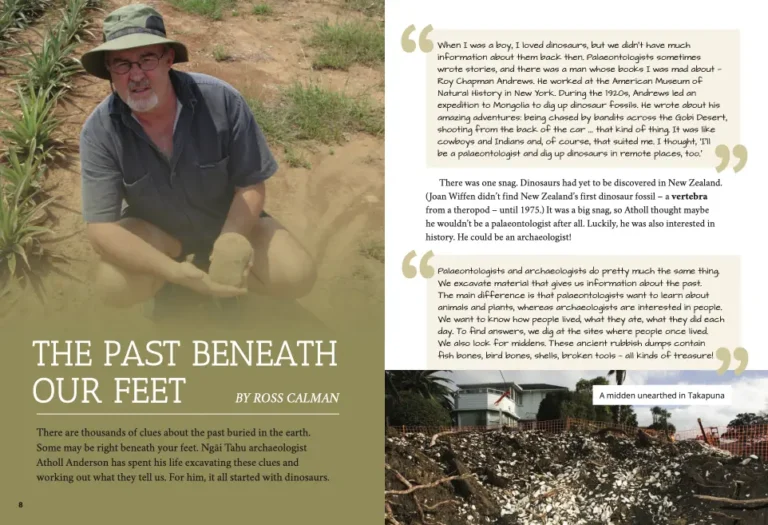
This is a profile of Māori archaeologist Atholl Anderson, which looks at his work, the methods he uses, and the importance of his field. It includes text boxes and quotes that contextualise his work (for example, explaining who the first ancestors were, where they came from, and what their society was like).
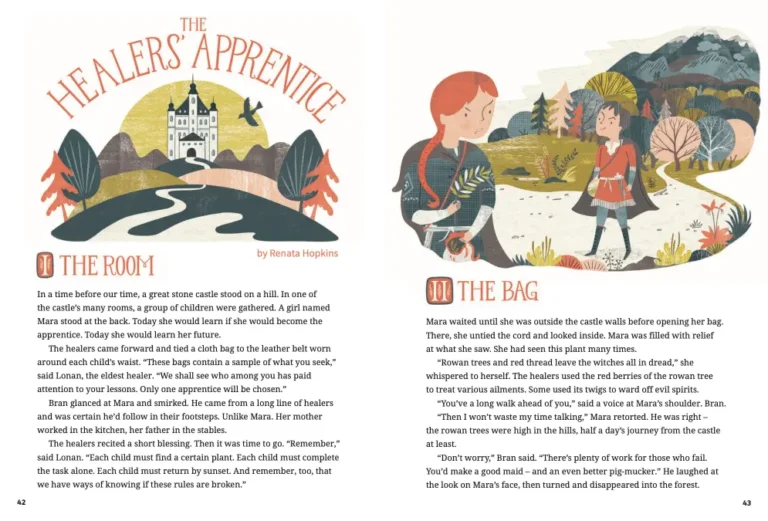
This story follows Mara, a humble girl who competes against the arrogant Bran to become a healer’s apprentice. Although Mara misses the deadline to help a mountain-injured Bran, she is ultimately chosen for the position because her compassion for a person in need demonstrates the true calling of a healer.
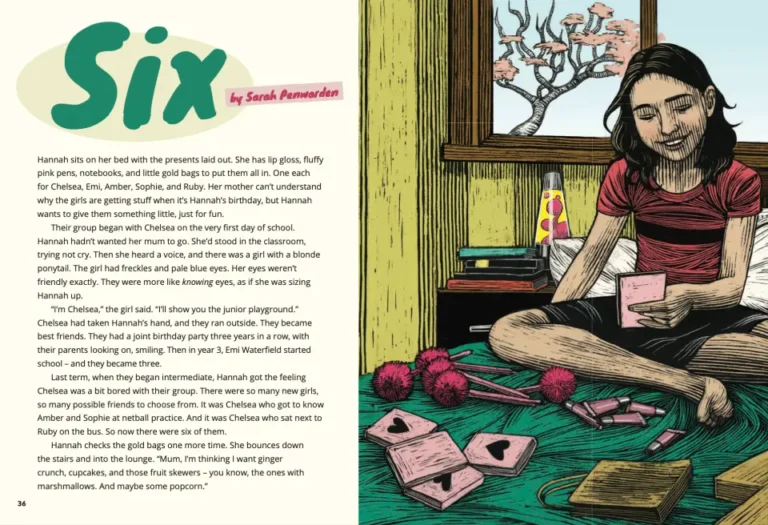
The story is about Hannah, a Year 6 student who experiences growing anxiety over shifting group dynamics and her long-term friendship with Chelsea during her birthday week. While Hannah prepares gifts and a party for her five friends, she realizes that Chelsea has redirected the group’s plans to her own house first, leaving Hannah feeling…
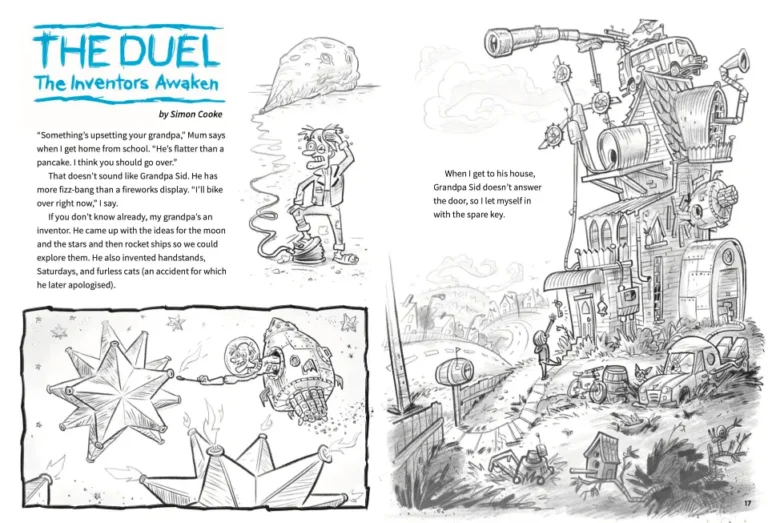
This light-hearted fantasy story, told through narrative, is the first part of a two-part story. The second part will appear in the School Journal, Level 3, August 2016. The text includes numerous illustrations, which amplify the content and add another layer to the story.
©Top Teaching Tasks – ©NZ MOE – ©The Crown | Copyright Info
 Top Teaching Tasks